
Your Dentist · Malviya Nagar, Jaipur
Dental Crowns & Bridges in Jaipur: Types, Process & Implant Alternatives
A patient guide to dental crowns (caps) and bridges in Jaipur: when they are needed, materials, the procedure, aftercare and how they compare with implants.
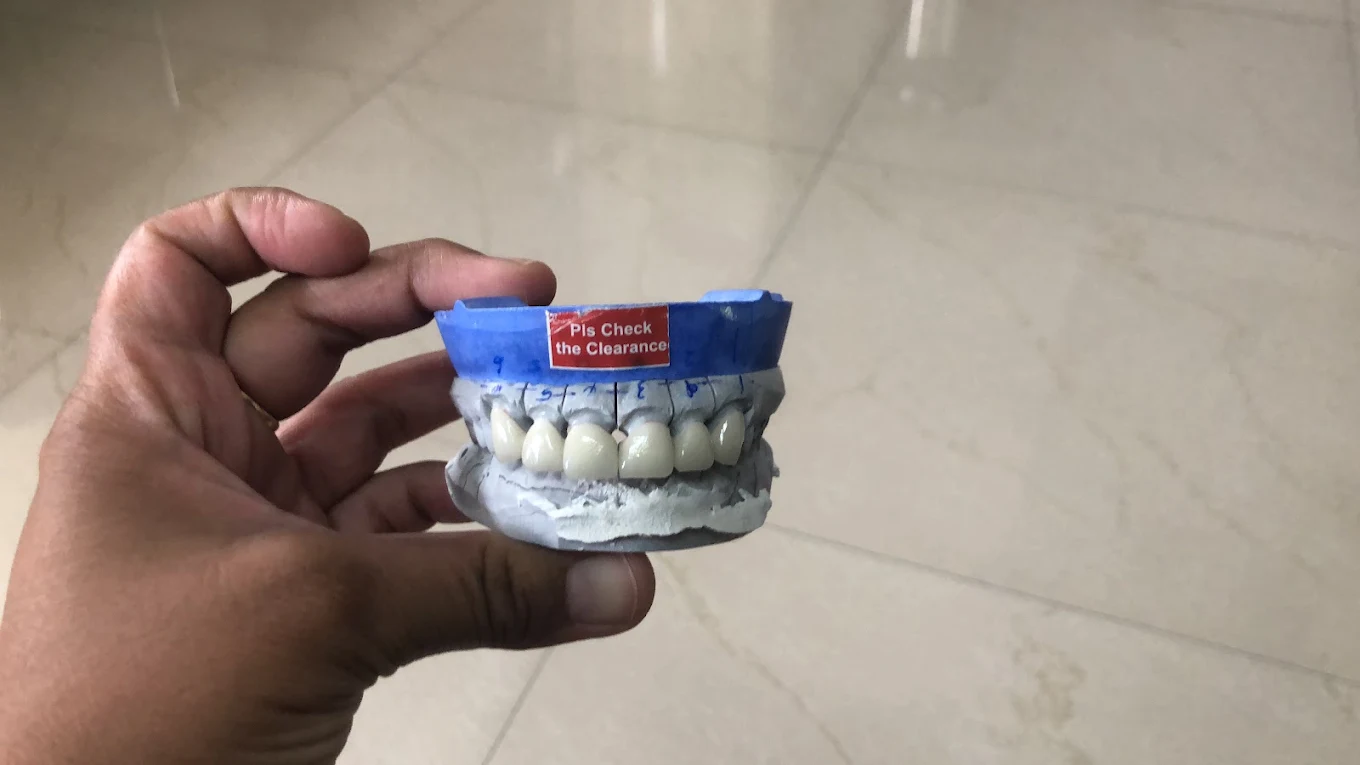
A damaged tooth or a gap where a tooth used to be can affect how you chew, speak and smile. Dental crowns (often called caps) and bridges are two long-established ways to restore teeth. This guide explains when each is used, what they are made of, how the treatment works and how they compare with dental implants, so you can have a more informed conversation with your dentist.
What Is a Dental Crown?
A dental crown, commonly called a cap, is a custom-made covering that fits over a tooth and restores its shape, strength and appearance. It surrounds the visible part of the tooth above the gum, protecting it from further damage.
When Might You Need a Crown?
Your dentist may recommend a crown when a tooth cannot be restored well enough with a filling alone.
- A tooth weakened by a large cavity or a large old filling
- A tooth that has had root canal treatment and needs protection
- A cracked or worn tooth
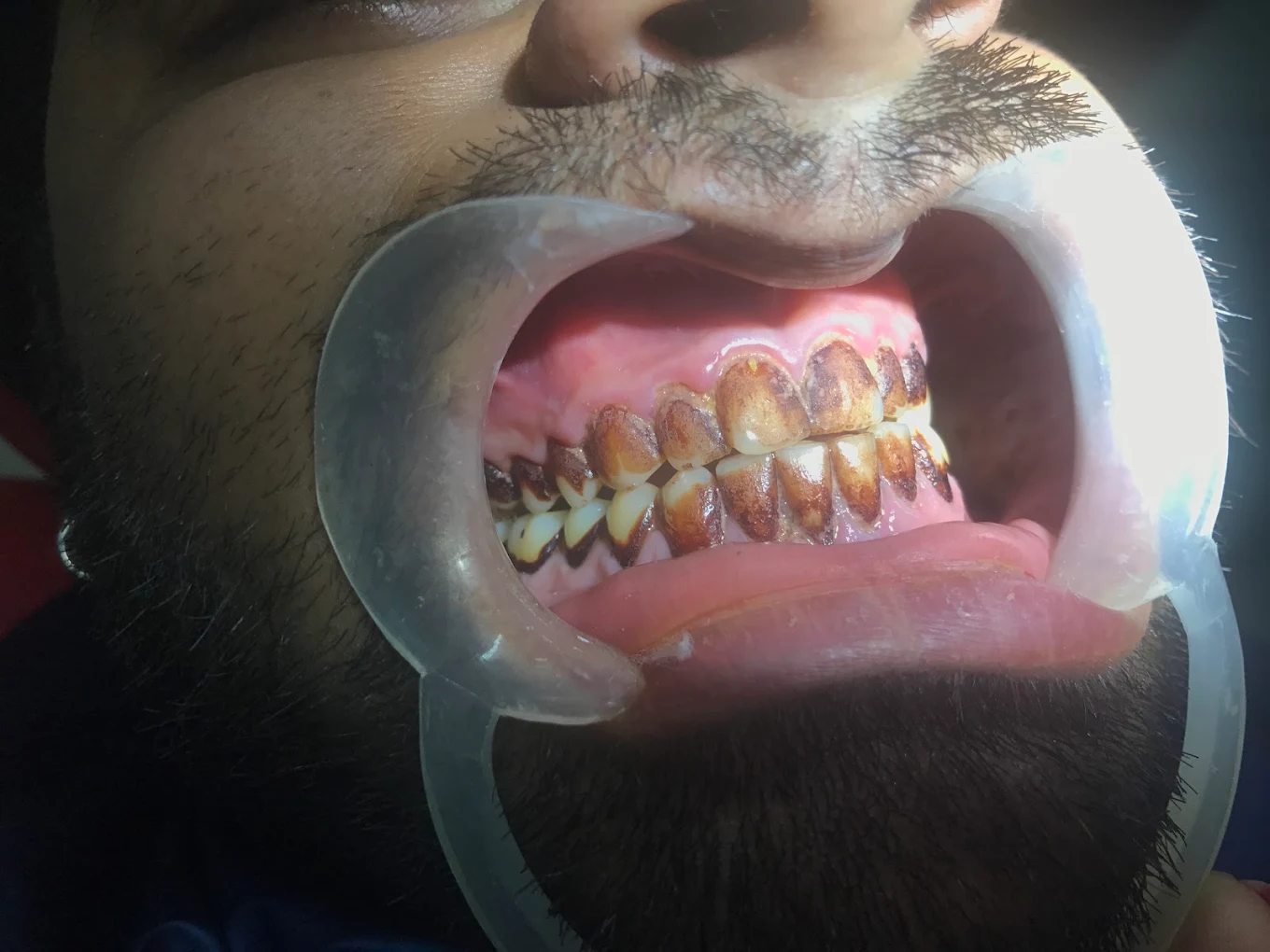
- A badly shaped or discoloured tooth that cannot be improved with simpler treatment
- The anchor teeth for a bridge, or the visible tooth part on top of a dental implant
Crown Materials: What Are the Options?
Crowns are made from several materials. The best choice depends on the tooth, your bite, how visible the tooth is and your budget.
- Zirconia: a strong ceramic material often used for back teeth and increasingly for front teeth as well.
- All-ceramic or porcelain: valued for a natural, translucent look, which makes it a common choice for front teeth.
- Porcelain-fused-to-metal (PFM): a metal base with a porcelain layer, combining strength with a tooth-coloured surface.
- Metal alloys: very strong and hard-wearing, but metal-coloured, so mainly used where appearance matters less.
- Your dentist can explain what each option is made of and which is likely to suit your case.
What Is a Dental Bridge?
A dental bridge replaces one or more missing teeth by joining an artificial tooth (called a pontic) to crowns placed on the natural teeth on either side of the gap. These supporting teeth are called abutments.
Because a traditional bridge relies on the neighbouring teeth for support, those teeth must be healthy enough, and need to be shaped to hold the crowns. Bridges are usually a fixed option, meaning they are cemented in place rather than removed at night.

The Crown and Bridge Procedure, Step by Step
Crown and bridge treatment normally takes more than one appointment, although the exact number depends on your case and the materials used.
- 1
Examination and X-rays: your dentist checks the tooth, the roots and the surrounding gums and bone to confirm that a crown or bridge is suitable.
- 2
Treating underlying problems: decay, infection or gum disease is dealt with first. If the tooth has had or needs root canal treatment, that is completed before the crown.
- 3
Tooth preparation: under local anaesthesia, the tooth (or the teeth either side of a gap, for a bridge) is shaped so the crown can fit over it.
- 4
Impressions or digital scans: these are used to make a crown or bridge that fits your bite, and a temporary restoration protects the teeth meanwhile.
- 5
Fitting: the final crown or bridge is checked for fit, bite and colour, then cemented in place.
- 6
Review and aftercare: your bite is checked again, and you are shown how to clean around the restoration.
Crown or Bridge vs Dental Implant vs Denture
If you have a missing tooth, a bridge is only one of several options. Here is how the main choices compare in general terms:
- Bridge: a fixed solution that is usually completed faster than an implant and does not need surgery. The neighbouring teeth have to be shaped to support it, and the area beneath needs careful cleaning.
- Dental implant: a titanium post placed in the jawbone to hold a crown. It does not rely on the neighbouring teeth and helps preserve the bone, but it needs surgery, enough bone and a healing period before the crown is fitted.
- Removable denture: often the most economical option and can replace several teeth, but it is taken out for cleaning and may feel less stable than fixed options.
- The right choice depends on the condition of the neighbouring teeth, your gums, available bone, your health and your preferences, which is why a personalised assessment matters.

How to Care for Crowns and Bridges
A crown or bridge does not decay, but the natural tooth underneath, and the gum where they meet, still can. Good daily care is the best way to help them last.
- Brush twice a day and clean between your teeth every day
- Use floss threaders or interdental brushes to clean under a bridge
- Avoid chewing ice, hard sweets or using teeth to open packaging
- Wear a night guard if you clench or grind your teeth
- Attend regular check-ups so the edges and fit can be monitored
What Affects the Cost of Crowns and Bridges?
The cost varies from patient to patient. The following factors usually shape the estimate, and you should expect the options to be explained before you decide.
- The crown material chosen (for example zirconia, ceramic or porcelain-fused-to-metal)
- The number of teeth being crowned, or the length of the bridge
- Whether root canal treatment, a build-up or gum care is needed first
- The complexity of your bite and the number of visits required

Crowns, Bridges and Implants at Your Dentist, Malviya Nagar
At Your Dentist in Malviya Nagar, Jaipur, treatment planning begins with an examination and, where needed, X-rays. Dr. Ruby Ladha, who specialises in dental implants and full-mouth rehabilitation, can explain whether a crown, a bridge or an implant is the better fit for your situation, and walk you through each option before treatment starts.
You can read about our crowns and bridges service or our dental implants service, or book a consultation to talk about your own case.

Crowns & Bridges: Quick Facts
- Crown: A cap that covers and protects a damaged tooth above the gum.
- Bridge: Replaces missing teeth using crowns on the neighbouring teeth for support.
- Visits: Usually more than one appointment, depending on the case and materials.
- Cleaning: Daily cleaning under a bridge is essential to protect the gums and supporting teeth.
- Alternatives: Dental implants and removable dentures may also be options for missing teeth.
Frequently Asked Questions
Is getting a dental crown painful?
The tooth is numbed with local anaesthesia before it is prepared, so the procedure itself is normally comfortable. Mild sensitivity or gum tenderness for a few days afterwards is common.
How long do dental crowns and bridges last?
There is no fixed lifespan. They can last many years, but how long depends on the material, your oral hygiene, your bite, habits such as grinding, and the health of the supporting teeth and gums.
Do I need a root canal before getting a crown?
Not always. A root canal is needed only when the nerve of the tooth is infected or damaged. Many teeth can be crowned without one, and your dentist will confirm this after an examination and X-ray.
Can a crowned tooth still get cavities?
Yes. The crown itself cannot decay, but the natural tooth beneath it can develop decay, especially near the gumline. Good brushing, flossing and regular check-ups help prevent this.
Is a bridge or an implant better for a missing tooth?
Neither is better for everyone. A bridge is usually quicker and avoids surgery but relies on neighbouring teeth, while an implant stands alone and helps maintain bone but needs surgery and healing time. Your dentist can advise after examining your teeth and X-rays.
Can a bridge be replaced with an implant later?
In some cases it can, depending on the condition of the jawbone and gums. This is something to discuss with your dentist when planning treatment.
Related Dental Care
Treatment suitability depends on your teeth, gums, overall oral health and individual diagnosis. Explore the dental services available at Your Dentist or speak with the dental team about your specific concern.
Need a Crown or Bridge in Jaipur?
Book a consultation at Your Dentist in Malviya Nagar, Jaipur to discuss your dental concern and understand the treatment options suitable for your case.
Book Appointment →Treatment Page: Crowns & Bridges
Want the full details? Read about crowns & bridges in Jaipur at Your Dentist, Malviya Nagar, or learn more about Dr. Ruby Ladha, who leads the clinic.
Related Dental Guides
Medical information: This article is for general educational purposes and does not replace a dental examination or personalized treatment advice. Treatment suitability, duration and expected results vary from patient to patient.