
Orthodontics · Your Dentist, Malviya Nagar, Jaipur
A practical comparison of fixed braces and removable clear aligners: how they work, how they fit into daily life and what to ask at your consultation.
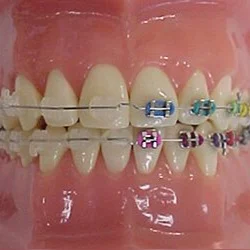
Choosing between braces and clear aligners is one of the most common questions people ask before starting orthodontic treatment. Both can move teeth into better positions, and both have their strengths. The right choice depends less on which is "better" and more on your teeth, your bite, your lifestyle and what your dentist advises after an examination.
This guide sets out how each option works and what to think about, so that you arrive at your consultation with the right questions.
How braces and aligners work
Braces are fixed to the teeth. Small brackets are bonded to the surface of each tooth and connected by a wire, and regular adjustments gradually guide the teeth into position. Clear aligners are a series of removable, transparent trays made from digital scans of your teeth. You change to a new tray at set intervals, and each one moves the teeth a small amount according to a planned sequence.
What each can treat
Both approaches can address many common concerns, such as crowding, spacing and certain bite problems. Some complex cases, for example where teeth need to be rotated or moved in particular ways, or where the jaws are not well matched, may be handled more predictably with braces or a combination of treatments. A dentist can only tell you what suits your teeth after an examination and records such as X-rays and scans, so be wary of assuming that one option will work for everyone.
Appearance and comfort
Clear aligners are much less noticeable than traditional metal braces, which is why many adults and teenagers are drawn to them. Ceramic braces use tooth-coloured or clear brackets and sit somewhere in between. Comfort is a personal matter: braces can cause soreness in the cheeks and lips at first, and aligners can feel tight when you switch to a new tray. Most people find that this settles within a few days.
Daily life and eating
Because braces are fixed, they are working all the time, but you need to avoid very hard, sticky or chewy foods that can damage the brackets or wires. Aligners are removed to eat and drink anything other than water, so there are fewer food restrictions, but you need to put them back in each time. The practical difference is that braces ask you to adapt what you eat, while aligners ask you to adapt your habits.
Wear time and discipline
Aligners only work when they are in your mouth, and they are usually advised for most of the day. If you tend to forget or misplace things, or you are likely to leave them out for long periods, treatment can be delayed. Braces do not depend on you remembering to wear them, which suits some people better. Being honest with yourself, and with your dentist, about which routine you can keep is an important part of the decision.
Cleaning your teeth
With aligners you can remove the trays to brush and clean between your teeth as usual, then clean the trays themselves. With braces, plaque easily collects around the brackets and wires, so you need to brush carefully and may need interdental brushes or floss threaders. Either way, good oral hygiene during treatment helps protect the teeth and gums, and regular check-ups remain important.
Treatment time and visits
How long treatment takes varies from person to person. It depends on how much movement is needed, the type of appliance and how closely instructions are followed. Braces are adjusted at regular visits, and aligner treatment includes periodic reviews to check progress and supply new trays. Your dentist can give you an estimate once your plan has been made, and will update it if your teeth respond differently from expected.
Age and suitability
Teenagers and adults can both be suitable for either option, provided their teeth and gums are healthy. For younger children whose teeth and jaws are still developing, early assessment can be useful, and the timing of treatment is something a dentist will decide on. Our page on pediatric dentistry explains how children's dental care is approached.
Retainers matter for both
After either treatment, teeth can drift back towards their old positions, so retainers are usually advised to hold them in place. Wearing them as directed is just as important as the active phase of treatment. Ask your dentist what type of retainer is planned and how long it should be worn.
Questions to ask at your consultation
These questions can help you compare options with your dentist:
- Which option do you recommend for my teeth and bite, and why?
- Are there any parts of my case that make one option less suitable?
- How long is treatment likely to take, and how often will I need to visit?
- What will I need to do each day, and what happens if I miss wear time or a visit?
- What retainers will I need afterwards?
Making the decision
The best option is the one your dentist considers appropriate for your teeth and that you are able to follow through consistently. To learn more about each treatment, see our pages on orthodontic braces and clear aligners in Jaipur. If you are also thinking about the overall look of your smile, our smile designing page explains how orthodontics can fit into a wider plan.
Related Treatments
This article gives general information only and is not a substitute for a dental examination. Treatment details, suitability and timelines are confirmed during your consultation.
Have questions about your own treatment?
Book a consultation at Your Dentist in Malviya Nagar, Jaipur, and discuss the right option for your teeth.
Book Appointment