
Pediatric Dentistry · Your Dentist, Malviya Nagar, Jaipur
When to book the first appointment, what the dentist will do, and simple ways to help your child feel at ease.
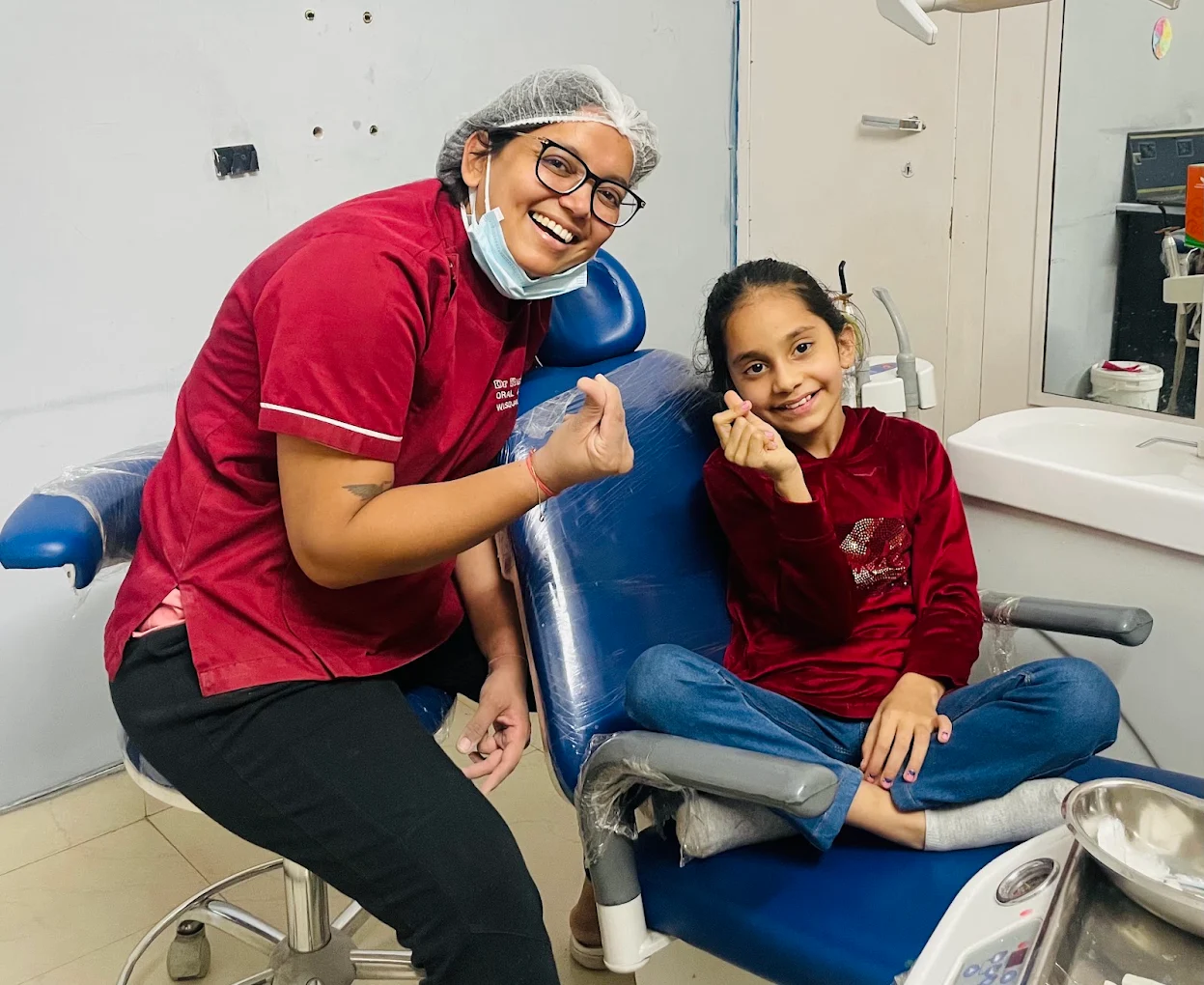
Many parents are unsure when a child should first see a dentist. Some wait until there is a problem, while others book a visit as soon as the first tooth appears. A first visit is less about treatment and more about starting a good relationship with dental care, and getting advice before problems begin.
This guide explains when to go, what happens at a first appointment and how you can prepare your child.
Why early visits matter
Milk teeth are more important than they sometimes seem. They help children chew and speak, and they hold space for the permanent teeth that follow. Tooth decay can start early, and a child may not complain until it is quite advanced. Early visits allow a dentist to check how the teeth and jaws are developing, spot problems while they are small and give you practical advice for home care.
When should the first visit be?
Many dentists suggest a first visit once the first teeth have come through, with the early toddler years a common time to start. If you notice something that worries you, such as white or brown marks on a tooth, a toothache, swelling, an injury or a habit like prolonged thumb-sucking, it is sensible to go sooner rather than waiting. Your dentist can advise on the best timing for your child.
What happens at the first appointment
A first visit is usually short and gentle. The dentist may simply look at your child's teeth, gums and bite, ask about feeding, brushing and habits, and show you how to clean the teeth properly. There may be no treatment at all. For very young children, the check-up can be done with the child sitting on your lap, so that they feel secure.
How to prepare your child
A little preparation helps children feel relaxed:
- Talk about the visit in a positive, simple way, for example "the dentist will count your teeth".
- Avoid words that suggest pain or fear, and avoid promising that nothing will happen.
- Choose a time of day when your child is rested and has eaten.
- Bring a favourite comfort item if it helps your child settle.
- Stay calm yourself, since children quickly pick up on a parent's worry.
Common concerns parents raise
Parents often ask about thumb-sucking, dummies, feeding bottles and teething. Habits like these are common, and a dentist can advise on whether they are likely to affect the teeth and how to ease out of them. Letting a child fall asleep with a bottle of milk or sweet drink can expose the teeth to sugar for long periods and is best avoided. If your child is teething and fussy, your dentist can suggest safe ways to help.
Brushing, fluoride and diet at home
Brushing twice a day with a fluoride toothpaste in an amount suited to your child's age is a good foundation, and young children need an adult to help or supervise. Limiting sugary snacks and drinks, and keeping them to mealtimes where possible, matters just as much as brushing. Your dentist can show you the right technique and tell you what is appropriate at each age.
Making dental care a normal part of life
Children who see the dentist regularly, when nothing is wrong, tend to find visits more familiar. Regular check-ups let the dentist track growth, point out habits that may need attention and discuss whether a child might benefit from an orthodontic assessment later. Treating dental visits as an ordinary, positive routine makes it easier if treatment is ever needed.
When not to wait
Book an appointment promptly if your child has a toothache, swelling of the face or gums, a knocked or broken tooth, or a persistent sore in the mouth. These are not things to leave until the next routine visit. If there has been a significant injury, particularly to the head, seek medical help first.
If your child feels nervous
It is perfectly normal for a young child to feel unsure in a new place. A patient, unhurried dentist can let the child look around, sit in the chair and see the instruments before anything is done. Some children are happier if a parent stays close, and others settle once they get used to the room. If your child has had a difficult experience before, mention it, so that the visit can be paced to suit them.
What is normal as teeth come through
Children's teeth appear and are replaced in a fairly predictable order, but the timing varies widely, and a difference of a few months is usually nothing to worry about. Spaces between milk teeth are common and often helpful, since the permanent teeth are larger. If a tooth seems very late, comes through in an unusual position or is loose well before expected, a dentist can check it and let you know whether anything needs to be done.
Starting at Your Dentist
At Your Dentist in Malviya Nagar, Jaipur, we aim to make children's visits calm and unhurried. You can read about our approach on the pediatric dentistry page, and learn about the family check-ups we offer on our general dental care page. If you have questions about your child's teeth and alignment as they grow, our orthodontic braces page explains how orthodontic care works.
Related Treatments
This article gives general information only and is not a substitute for a dental examination. Treatment details, suitability and timelines are confirmed during your consultation.
Have questions about your own treatment?
Book a consultation at Your Dentist in Malviya Nagar, Jaipur, and discuss the right option for your teeth.
Book Appointment