Teeth Whitening · Your Dentist, Malviya Nagar, Jaipur
How professional whitening differs from over-the-counter kits, what whitening can and cannot do, and what to check first.
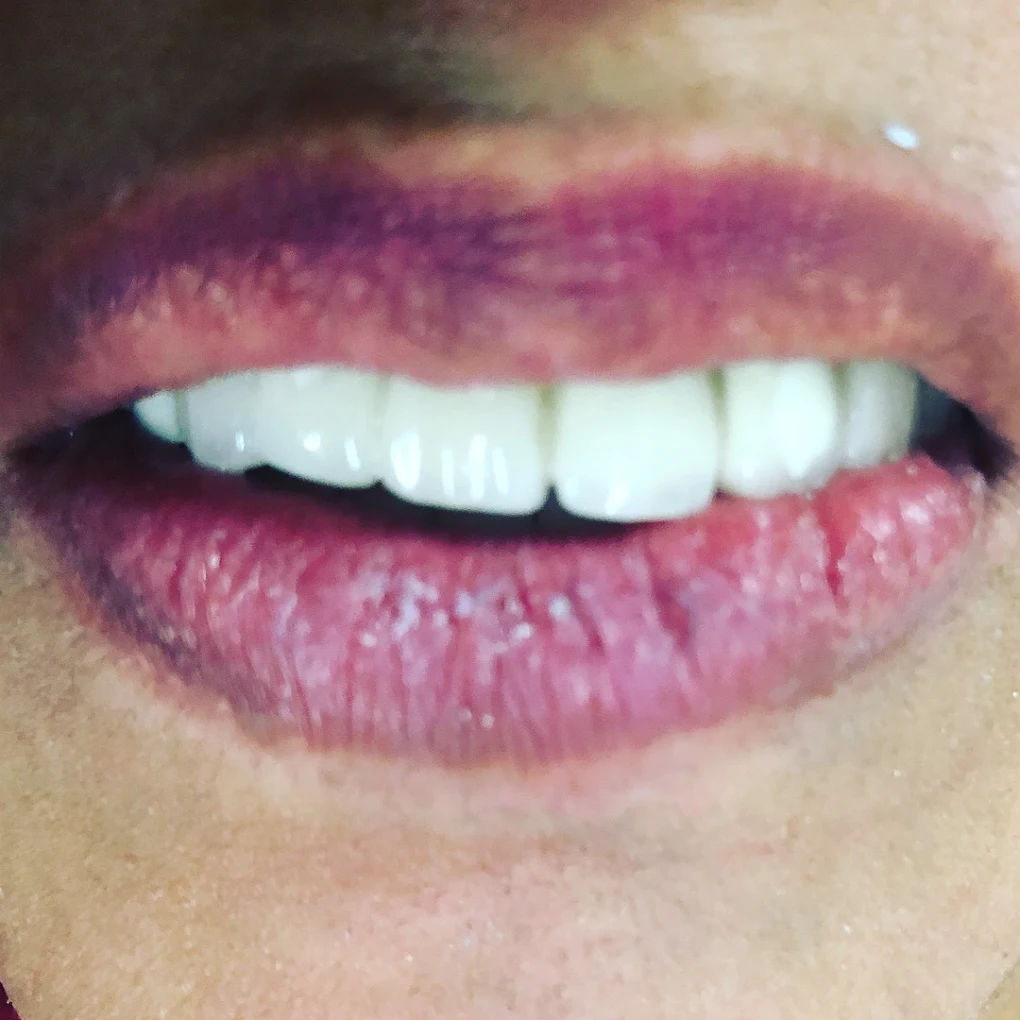
A brighter smile is one of the most common reasons people visit a dentist for cosmetic care. Walk into any pharmacy or browse online and you will also find plenty of home whitening products. So which is the better route: professional whitening at the clinic or a kit you use at home?
The honest answer is that it depends on your teeth, your gums and your goals. This guide explains the differences, so that you can make an informed choice.
Why teeth change colour
Teeth darken for several reasons. Surface stains come from tea, coffee, red wine, tobacco and some foods. With age, the enamel thins slightly and the layer underneath, which is naturally yellower, shows through more. Some medicines, injuries or developmental factors cause discolouration from inside the tooth. These different causes respond differently to whitening, which is why an examination is the best starting point.
What in-clinic whitening involves
In-clinic whitening is carried out or supervised by a dentist. Your teeth are usually cleaned first, the gums are protected, and a professional-strength whitening gel is applied for a set time. Because a dentist is managing the process, the strength of the gel, the timing and the protection of soft tissues can be adjusted for you. The visit also gives your dentist a chance to spot problems such as cavities or gum disease that should be dealt with first.
Dentist-supplied home trays
Some dentists provide custom-fitted trays and a lower-strength gel for use at home over a longer period. The trays are made to fit your teeth, which helps keep the gel on the teeth and off the gums. This approach can suit people who prefer to whiten gradually, although it relies on you following the instructions carefully.
Over-the-counter kits and products
Store-bought strips, gels and trays are widely available. They generally contain lower concentrations of whitening agent, and quality and instructions vary. Ill-fitting trays can allow gel to irritate the gums, and products used for longer or more often than directed can increase sensitivity. Whitening toothpastes mostly help with surface stains. If you do use a home kit, read the instructions carefully and stop if you experience pain or gum irritation.
Comparing the options
In broad terms, the main differences are:
- Supervision: a dentist can check your teeth first and adjust the treatment, while home kits rely on you.
- Strength: professional products are generally stronger than those sold over the counter.
- Protection: dentists protect the gums during in-clinic treatment, while home trays may not fit as well.
- Convenience: home kits can be used in your own time, but may take longer to show a change.
- Suitability: only an examination can tell you whether whitening is appropriate for your teeth.
What whitening cannot do
Whitening lightens natural tooth structure. It does not change the colour of fillings, crowns, veneers or bonding, so you may need to replace or match these afterwards if they stand out. It also cannot promise a particular shade, because results depend on the starting colour and the cause of the stain. A dentist can describe a realistic outcome rather than a guaranteed one.
Who should check with a dentist first
It is wise to see a dentist before whitening if you have cavities, gum disease, worn enamel, very sensitive teeth or many restorations. Whitening is usually postponed during pregnancy, and your dentist can advise on this. If you have noticed sudden changes in the colour of a single tooth, that should be examined rather than whitened, since it can signal a problem with the tooth itself.
Sensitivity and aftercare
Temporary sensitivity to hot and cold is a common side effect, and usually settles after a short time. Your dentist may suggest a desensitising toothpaste. For the first couple of days, limiting strongly coloured foods and drinks, and avoiding tobacco, helps keep your results looking their best. Maintenance varies, and regular cleaning and good brushing help too.
Be careful with home remedies
Rubbing lemon juice, baking soda or charcoal on the teeth is a popular suggestion online, but abrasive or acidic remedies can wear enamel and make teeth more sensitive over time. It is safer to ask your dentist what is suitable.
How long do results last?
Whitening is not permanent. Teeth gradually pick up new stains from food, drink and tobacco, so the brightness you see after treatment can fade over time. How quickly this happens differs from person to person and depends heavily on habits such as drinking tea or coffee often. Some people choose occasional top-up treatments as advised by their dentist, while others simply maintain their smile with regular cleaning and a careful diet.
Getting ready for your whitening visit
Before whitening, it helps to have a dental check-up and a professional clean so that surface stains and tartar are removed and any cavities or gum problems are treated first. Tell your dentist if your teeth are sensitive, if you have crowns or veneers at the front, or if you have had whitening before. This lets the plan be tailored to you, and helps set realistic expectations about the shade you can expect to reach.
Deciding what is right for you
If you are considering whitening, start with a check-up. You can read more about the treatment on our teeth whitening in Jaipur page. If you are interested in wider changes to your smile, our cosmetic dentistry page explains the other options, and our general dental care page covers the cleaning and check-ups that help keep your teeth healthy.
Related Treatments
This article gives general information only and is not a substitute for a dental examination. Treatment details, suitability and timelines are confirmed during your consultation.
Have questions about your own treatment?
Book a consultation at Your Dentist in Malviya Nagar, Jaipur, and discuss the right option for your teeth.
Book Appointment